
Muscular Pain
Department of Interventional Pain Management | AREVA Hospital
Monday to Saturday: 10:30 AM to 1:00 PM & 5:00 PM to 7:00 PM
Phone: +91 799 0420 149 (By Appointment)
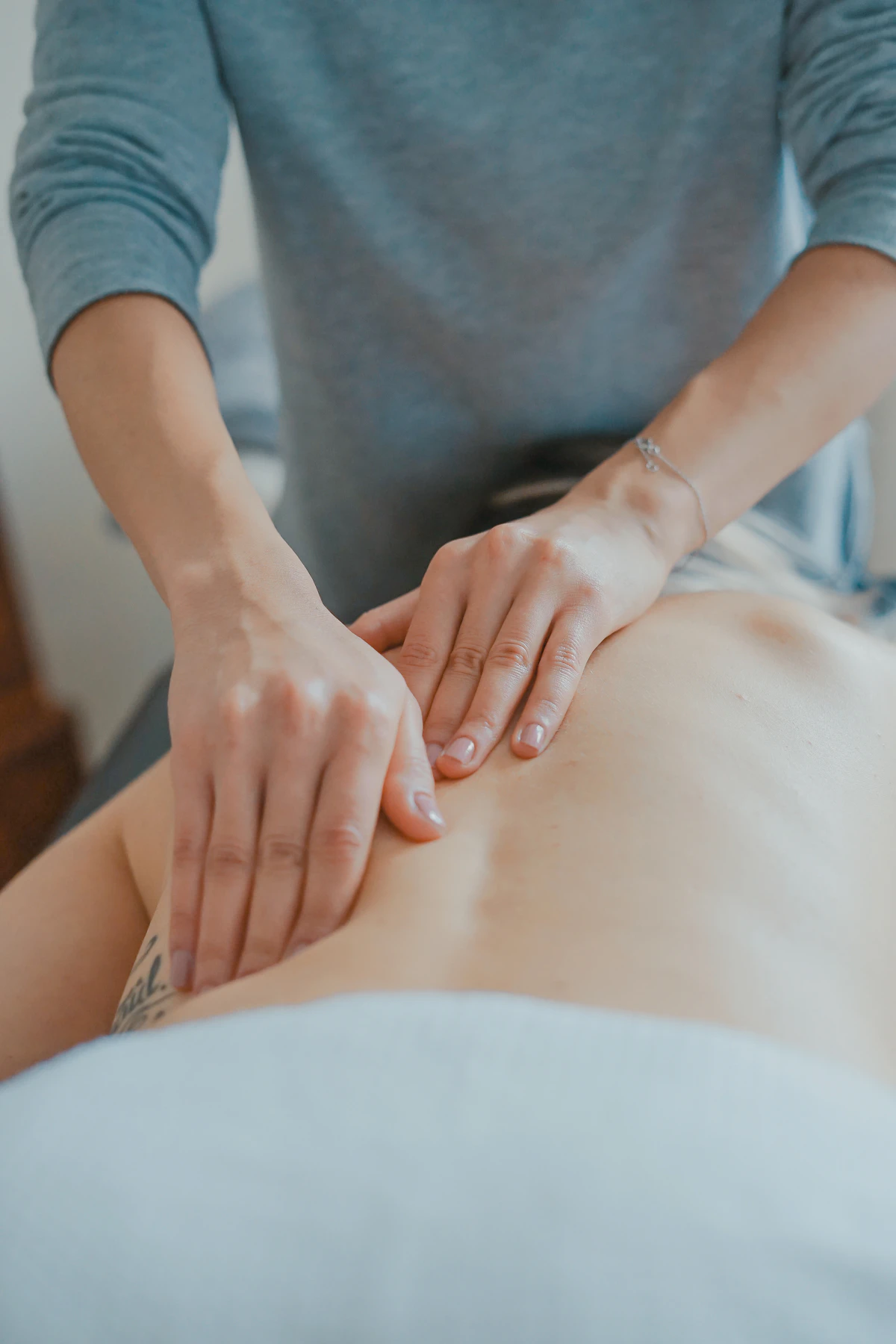
Muscular pain, also known as Myalgia, refers to pain, aching or discomfort arising from the muscles and surrounding soft tissues. It can affect a specific muscle or several areas of the body and may develop suddenly after physical activity or injury, or gradually due to overuse, poor posture or prolonged muscle tension.
Causes & Risk Factors
- Muscle strain or minor injuries
- Overuse or excessive physical activity
- Poor posture and prolonged sitting
- Repetitive movements
- Muscle tension and spasm
- Sports-related injuries
- Sudden increase in physical activity
- Inadequate recovery after physical exertion
- Dehydration or electrolyte disturbances
- Viral or other infections
- Pain referred from the spine or nearby joints
Symptoms
- Dull, aching or tight muscle pain
- Sharp pain with movement
- Muscle stiffness or tightness
- Tenderness when the muscle is touched
- Muscle spasm or cramps
- Reduced range of movement
- Weakness or difficulty using the affected muscle
- Pain that worsens with activity or specific movements
- Localized swelling or bruising following an injury


How Muscular Pain is Diagnosed?
Diagnosis begins with a detailed medical history & clinical examination.
Your doctor may assess the location, duration and nature of the pain, recent physical activity or injury, muscle strength, range of movement and areas of tenderness.
Depending on the suspected cause, investigations may include:
- Blood tests – when infection, inflammation or metabolic causes are suspected
- X-rays – when an underlying bone or joint problem is suspected
- Ultrasound – for selected muscle and soft-tissue injuries
- MRI – when a significant muscle, tendon or structural injury requires further evaluation
Treatment Options for Muscular Pain
Conservative Treatment,
Pain-relieving medications – Anti-inflammatory, analgesic & antispasmodic medicines having good role in acute stage. They reduce inflammation, pain & spasm in the shoulder, help you to get to the daily routine. Vitamin Supplements to fasten the recovery. Antibiotics to control the infection.
Heat or Cold Therapy – Heat can relax tight muscles and improve comfort, while cold therapy can help reduce pain and inflammation, particularly after an acute injury.
Activity modification and Adequate Rest – Reducing or modifying activities that aggravate pain.
Adequate Hydration – Helps maintain normal muscle function and fluid balance and may reduce the risk of muscle cramps and fatigue, particularly after physical activity or sweating.
Posture & Ergonomic Correction – Maintaining proper posture and optimizing your work or daily environment can reduce prolonged muscle strain and tension, helping prevent and relieve muscular pain.
Gentle Stretching & Exercises – Improve flexibility, muscle strength and mobility while reducing stiffness and tension.
Physiotherapy & Rehabilitation – Helps restore muscle function, correct movement patterns and reduce pain through targeted exercises and therapies.
Interventional Treatment,
For persistent muscular pain or specific myofascial pain, selected patients may benefit from targeted procedures such as:
At AREVA At AREVA, we focus on identifying the underlying source of muscular pain rather than simply treating the symptoms. After clinical evaluation, treatment may range from rehabilitation and targeted exercises to minimally invasive, image-guided procedures for appropriately selected patients. Our aim is to reduce pain, restore movement & help patients return to their normal activities ASAP.
Consult with Dr. Mehul Kubavat
FIPM Germany, FPCI Mumbai | Non-Surgical Spine & Interventional Specialist