
Cancer Pain Management

Department of Interventional Pain Management | AREVA Hospital
Monday to Saturday: 10:30 AM to 1:00 PM & 5:00 PM to 7:00 PM
Phone: +91 799 0420 149 (By Appointment)
Pain is one of the most common and distressing symptoms experienced by people with cancer, arising from the cancer itself, its spread to bones or nerves, or as a result of cancer treatments such as surgery, chemotherapy or radiotherapy. Pain may be nociceptive, neuropathic, visceral or mixed, and its pattern can change during the course of illness.
Managing cancer pain is an important part of comprehensive cancer care, alongside treatment of the underlying disease.

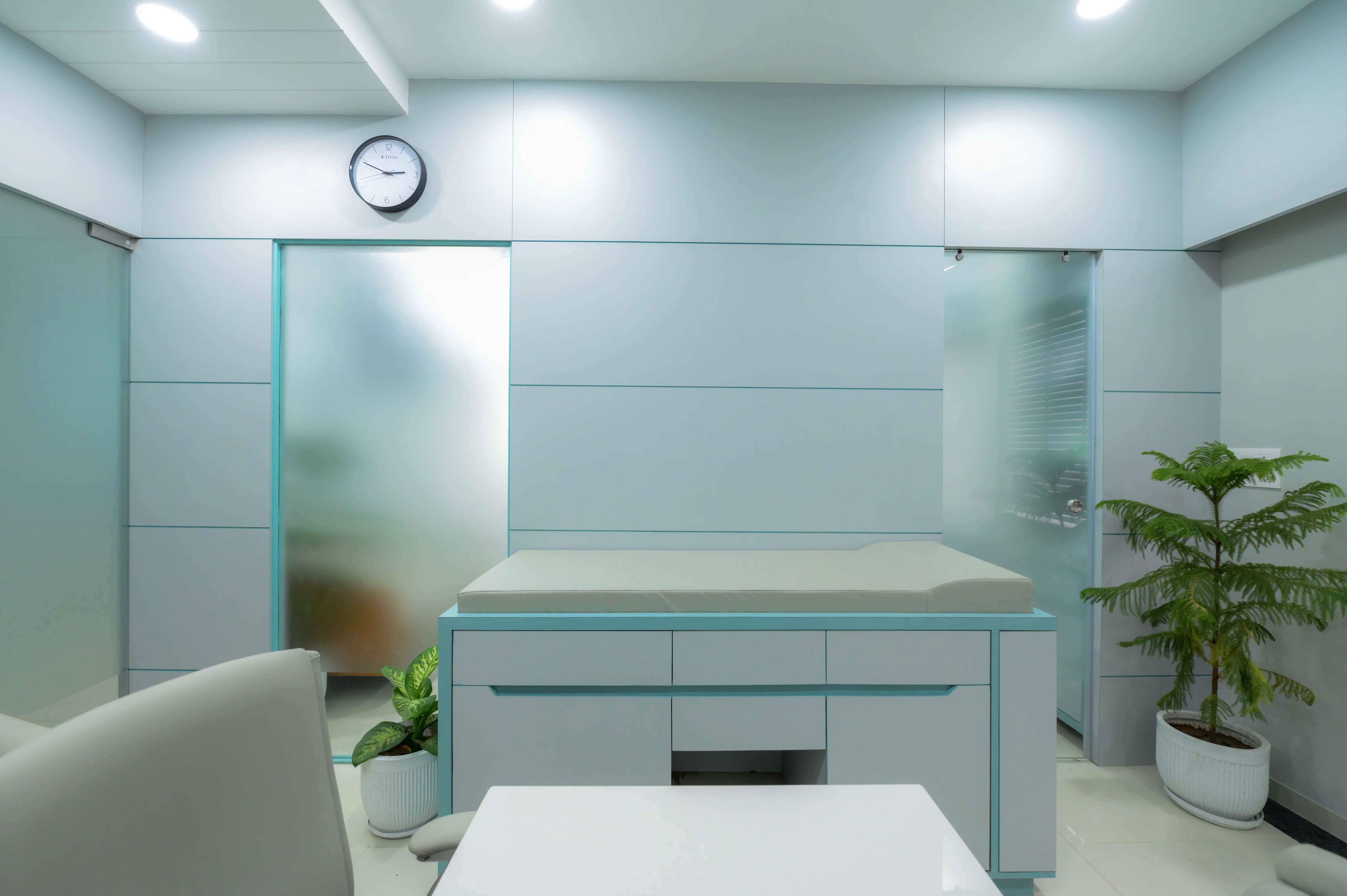
At AREVA, pain is carefully assessed to identify the likely pain generator and develop an individualized treatment plan aimed at improving comfort, sleep, mobility, emotional well-being and overall quality of life. Our goal is to provide individualized and effective pain management to help patients achieve meaningful pain relief and maintain the best possible quality of life. We work closely with the patient and their oncologist and treating team to understand the cause and pattern of pain and develop an appropriate treatment plan. Pain Management for Cancer Patients Treatment is individualized according to the type, location and severity of pain, cancer diagnosis, treatment status and overall health. Management may include: Medications, Depending on pain severity and type, treatment may include paracetamol, NSAIDs, opioids and adjuvant medicines such as antidepressants, anticonvulsants or corticosteroids. Medication is carefully selected and adjusted according to the patient's response and side effects. Cancer-Directed Treatment, Treatment of the underlying cancer—including chemotherapy, radiotherapy, surgery or other cancer-specific therapies—may itself help relieve pain. Radiotherapy is particularly useful for selected patients with painful bone metastases. Interventional Pain Procedures, For selected patients with persistent or inadequately controlled pain, or when pain is localized to a particular nerve, plexus or visceral region, targeted interventional procedures may provide additional pain relief. These procedures may also have a diagnostic role in identifying the source and distribution of pain and guiding further treatment. At AREVA, selected interventional pain procedures are performed using C-ARM (IITV) image guidance to achieve accurate needle placement and precise treatment. Appropriate local anaesthesia and/or sedation is used according to the procedure and patient's needs. Block – A minimally invasive, image-guided procedure used to relieve pain, medications injected through needle, around nerves or plexus, to block pain signals. Neurolysis – In selected patients with severe or persistent cancer pain, chemical agent can be used to provide lasting pain relief. Radio-Frequency Ablation (RFA) – A minimally invasive, image-guided procedure that uses controlled radiofrequency energy to target nerves or plexus involved in transmitting pain from organs to the brain. It provides longer-lasting pain relief. Intercostal Nerve Block, A minimally invasive, image-guided procedure in which medication is injected around the intercostal nerve between the ribs to relieve localized chest-wall or upper abdominal pain. It may be considered for selected cancer-related pain involving the ribs, chest wall or upper abdominal region. Paravertebral Block, A minimally invasive, image-guided procedure in which medication is injected near the spinal nerves as they emerge from the vertebral column. It may be used for selected unilateral chest, abdominal or upper abdominal cancer-related pain, particularly when pain follows a specific nerve distribution. Epidural / Intrathecal Analgesia, These are specialized techniques for selected patients with severe or persistent cancer pain that is inadequately controlled with conventional treatment. A minimally invasive, image-guided procedure, medication is delivered either into the epidural space or directly into the intrathecal space around the spinal cord, allowing targeted pain relief with carefully selected medications and doses. Celiac Plexus Block / Neurolysis / RFA, Used for selected upper abdominal and visceral cancer pain, particularly pain associated with the pancreas, liver, gallbladder, stomach and other upper abdominal organs. A celiac plexus block may provide temporary pain relief, while chemical neurolysis or radiofrequency treatment may provide longer-lasting relief in appropriately selected patients. Splanchnic Nerve Block / Neurolysis / RFA, Used for selected upper abdominal and visceral pain, including cancer-related pain arising from the pancreas, liver, gallbladder, stomach and upper gastrointestinal tract. Treatment targets the thoracic splanchnic nerves that carry visceral pain signals from the upper abdominal region. Superior Hypogastric Plexus Block / Neurolysis / RFA, Used for selected pelvic and lower abdominal visceral pain, including cancer-related pain associated with the uterus, cervix, ovaries, prostate, bladder, rectum and other pelvic organs. Block, neurolysis or radiofrequency treatment may be considered depending on the pain pattern and clinical indication. Inferior Hypogastric Plexus Block / Neurolysis / RFA, Used for selected deep pelvic and visceral pain, including pain arising from the pelvic organs, bladder, rectum, reproductive organs and perineal region. Targeted treatment may help reduce persistent visceral pain by interrupting or modulating pain transmission from the pelvic region. Ganglion of Impar Block / Neurolysis / RFA, Used for selected chronic pelvic, perineal and lower rectal pain, including cancer-related pain arising from the rectum, anus, perineum and pelvic structures. A diagnostic or therapeutic block may provide temporary pain relief, while chemical neurolysis or radiofrequency treatment may be considered for longer-lasting pain relief in appropriately selected patients. 4. Implantable Intrathecal Pump An implantable intrathecal pump is a specialized treatment option for selected patients with severe, persistent cancer pain or spasticity that remains inadequately controlled despite appropriate conservative and interventional treatments. A small pump is surgically implanted under the skin and delivers carefully controlled doses of pain-relieving medication directly into the intrathecal space around the spinal cord, allowing targeted analgesia with lower systemic medication exposure in appropriately selected patients. Key Benefits Delivers medication directly to the intrathecal space, allowing effective treatment with very small medication doses Provided meaningful pain relief and improves Function, Mobility and Quality of life Can reduce the need for higher doses of systemic pain medications in selected patients Medication delivery can be adjusted according to the patient's clinical response At AREVA At AREVA, we provide personalized pain management for patients experiencing cancer-related pain at different stages of their illness. Our approach combines appropriate pain medications, supportive care and selected minimally invasive, image-guided interventional procedures to help relieve pain when conventional treatments are insufficient. Depending on the location and cause of pain, options may include nerve blocks, neurolytic procedures, epidural or intrathecal analgesia and other targeted pain interventions. We coordinate care with the patient's oncologist and treating team to support comfort, mobility, sleep and quality of life throughout cancer treatment and supportive care.
Consult with Dr. Mehul Kubavat
FIPM Germany, FPCI Mumbai | Non-Surgical Spine & Interventional Specialist